Tim Gibson's Moth City -
I really like how this is subtly animated - like a storyboard revealing more bits, rather than actual animation. I actually went to a workshop with him at the library a few years ago where he talked about his process.


Lady of the Shard
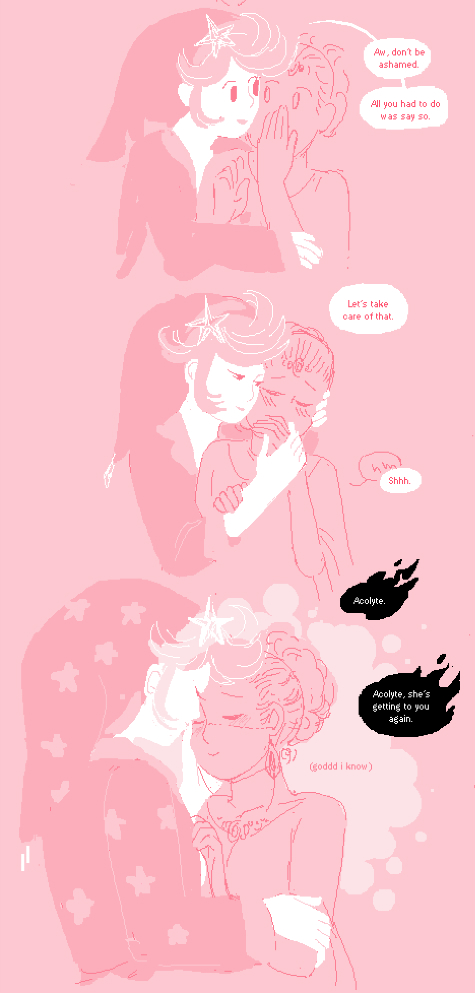
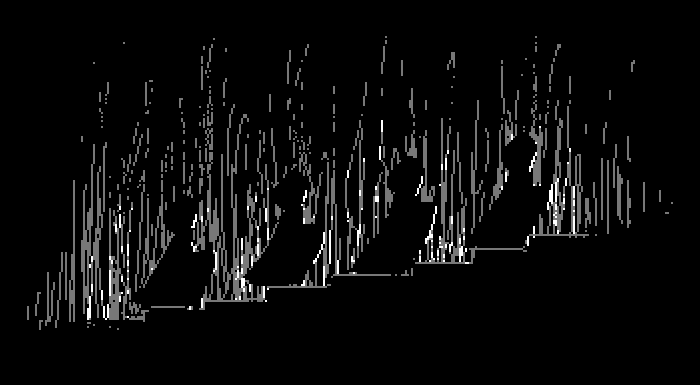
This uses vertical infinite canvas, and is viewed full screen - it's mostly in the centre of the screen, simple pixellated lineart, but as the story goes on it explodes out everywhere and uses red tones as well

To Be Continued
I haven't read past the first few chapters of this, I just found it searching for webcomics that take advantage of the web - it's interesting in that when you scroll, it starts by going down, but then also goes sideways and diagonally and all sorts of things. In one episode the screen is literally a facebook interface in which you can scroll down the feed and the chat (shown in this article). In another there's an animated video. This episode is a particularly good use of the infinite canvas

Hobo Lobo of Hamelin
This scrolls sideways and uses parallax and a bit of animation (as well as music) which is really cool! It also has nice colours and sketchy style with lots of contrast. The actual site around it kind of draws away from it though? (background colour, clunky buttons, narration below it) This page is particularly pretty. I love the way the canvas tapers at the end like a brushstroke, too.
The creator also has a page with tutorials and how he's made it.


Some links to things for me to come back to:The creator also has a page with tutorials and how he's made it.
Josie and the Whales
A comic/ebook with sound and other digital aspects - I will ask Caroline more about this in class next week probably
Infinite Canvas presentation
Infinite Canvas
http://death-is-coming.info/
https://www.youtube.com/watch?v=AHWJlBfJGk0 Never Mind the Bullets
http://www.bifter.co.uk/issue/4/
This is a really great article about digital webcomics and various different ways it's been done
It has some really interesting examples, like things I've mentioned above, as well as a comic where the panel layout is responsive, and a printed book which uses augmented reality to add things. It also talks about whether this is something readers want, and how far things can go before they're not really considered a 'comic' anymore.
----------------------------------------
Something I'm interested in is how people are using social media as a storytelling device - such as Lights' Skin&Earth map on instagram - which is a transmedia aspect of her comic + album Skin&Earth. The map leads to other accounts via the tagging, and these were slowly unlocked in the build up to the album/comic release. some had clips of the songs hidden in them.
or Years & Years' album annoucement - which I'm not sure exactly what's going on (it's set in some kind of dystopian world) but it sets up an automatic thing on messenger - and I feel like this could use illustration in some way. Because it uses messenger which is alongside your real chats with real people it feels more real somehow, even though it's a fictional thing?

and it's now shifted to an instagram story. this is more of a promotional thing rather than an actual story but I think it;s interesting


No comments:
Post a Comment